|
Beginner |
English |
|
support |
110 |
| Available Soon | |
Module 1: The Strategic Mindset Shift
Leaders must move from managing stable systems to navigating constant evolution.
The "Why" of Transformation: Analyzing industry disruption and why traditional "moats" (like brand or size) are failing.
From ROI to ROT (Return on Transformation): Shifting financial metrics from short-term gains to long-term agility.
The Digital Twin of the Organization: Understanding how to use Enterprise Architecture (EA) tools to map the entire enterprise before making strategic bets.
Module 2: Cultivating an Innovation Culture
Transformation is 20% technology and 80% people.
The "Fail Fast" Philosophy: Creating "psychological safety" where experimentation is rewarded, not punished.
Democratizing Data: How to move away from "HiPPO" (Highest Paid Person's Opinion) decision-making toward data-driven insights.
Agile for Non-Techies: Applying iterative sprints and Scrum methodologies to HR, Finance, and Marketing.
Module 3: Modern Tech for Decision-Makers
Leaders don't need to code, but they must understand the capabilities and ethics of modern tools.
Generative AI & Cognitive Automation: Moving beyond chatbots to AI-driven process optimization.
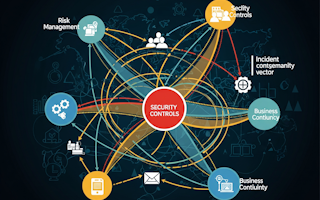
Cyber-Resilience: Understanding the leader's role in security, privacy, and ethical AI governance.
Platform Ecosystems: How to build "plug-and-play" business models that can integrate with partners and third-party developers.
Module 4: The Execution Roadmap
Moving from a slide deck to a living digital enterprise.
Building Innovation Units: Frameworks for establishing government or institutional innovation labs (e.g., using GInI standards).
Change Management: Identifying "Digital Champions" within the organization to lead the charge.
Measuring Success: Setting North Star metrics that track digital maturity, not just project completion.